Building Healthy Soil in Spain's Climate
By Dr. Elena Martinez, Soil Scientist | Published: March 15, 2024
Spain's diverse climate zones demand specific soil management strategies. From the arid plains of Andalusia to the cooler northern regions, understanding your local soil type is crucial for successful gardening. In Mediterranean areas, soils are often alkaline and low in organic matter, requiring amendments to improve fertility and water retention.
Start with a soil test to determine pH and nutrient levels. Most Spanish soils benefit from organic matter additions like compost, which improves structure and provides essential nutrients. For drought-tolerant plants Spain, focus on well-draining sandy loams that prevent root rot during heavy rains.
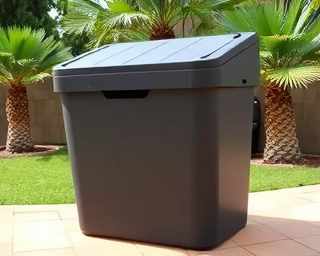
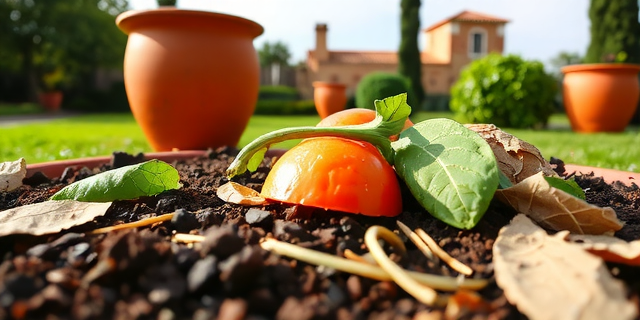
Composting is particularly effective in Spain's warm climate. Kitchen scraps and garden waste break down quickly, creating rich humus. Use a mix of green (nitrogen-rich) and brown (carbon-rich) materials for optimal results. Solar-powered compost bins work excellently in sunny regions, accelerating decomposition.
Key tips for Spanish soil management:
- Test soil pH annually - aim for 6.0-7.0 for most vegetables
- Incorporate organic compost at least twice yearly
- Mulch heavily to conserve moisture and suppress weeds
- Avoid over-fertilizing - Spanish plants are adapted to nutrient-poor soils
By focusing on soil health, you'll create a thriving foundation for your Mediterranean garden that requires less water and fewer inputs over time.